Discover Mississauga top Dust Collector Filters for high-performance industrial filtration solutions
Discover Mississauga top Dust Collector Filters for high-performance industrial filtration solutions
Blog Article
Maximize Productivity: Choosing the Right Dust Collector Elements for Your Needs
Determining the ideal dust collector filters is vital for optimizing system output. Diverse considerations dictate this selection, including dust type, airflow needs, and filter performance. Understanding the differences between bag and cartridge filters can markedly impact operational effectiveness. Routine servicing also functions as an indispensable part in longevity and capability. As organizations work toward better air quality and financial savings, the subtleties of filter picking become increasingly important. What criteria should one review next?
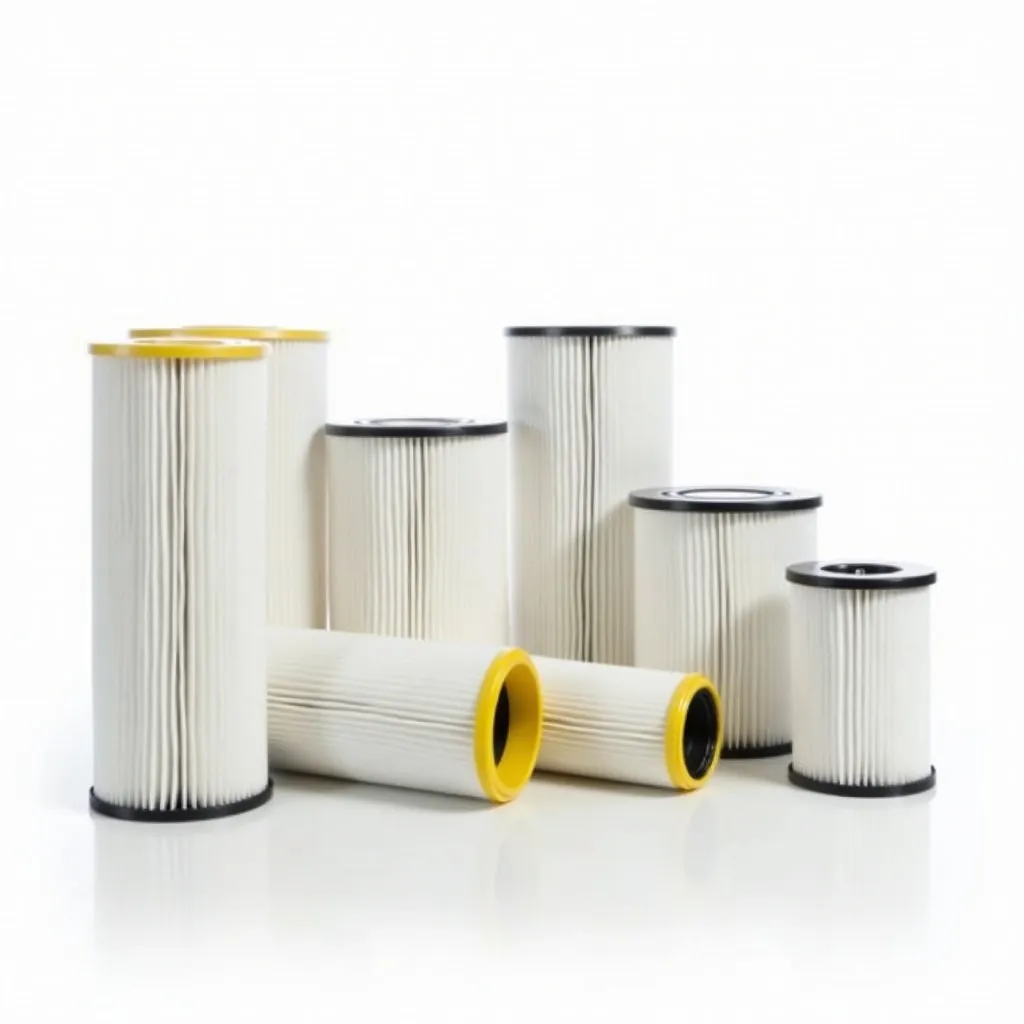
A Guide to Choosing the Correct Dust Collector Filter
Picking the correct dust collector filter can commonly become challenging. With a variety of alternatives offered, comprehending the unique requirements of the workspace is necessary. Elements like the dust classification emitted, the air flow requiring filtration, and the intended performance standards are essential to the decision-making process.
In addition, the filter's alignment with the existing dust collection system is critical to guarantee optimal performance. Thought should be given to the filter's useful life and maintenance obligations, as these can impact operational costs.
Performance ratings and certifications can also guide users in selecting filters that meet industry standards.
In the final analysis, understanding the specific application and environmental conditions will facilitate a more prudent choice, maximizing the effectiveness of the dust management system and establishing a cleaner and more secure work area.
Bag Filtration Guide
Bag filters represent a vital element in dust collection systems, successfully removing suspended dust and preserving air quality in various industrial settings.
These filters are typically constructed of woven and non-woven materials that can trap dirt, strands, and other particulates. Typical types encompass needle felt and fabric weave bags, each providing distinct filtration efficiencies and functional characteristics.
Bag filters are extensively utilized in operations spanning woodworking to metalworking, where fine dust control is crucial. They can also be set up in varied configurations and proportions to suit specific systems.
Ongoing servicing and replacement cycles are critical to maintain optimal performance, as clogged filters can hinder airflow and compromise system capability.
The right selection of bag filters is vital for maximizing dust capture performance.
Understanding Filter Cartridges
Cartridge filters serve as another effective solution in dust collection systems, enhancing the role of bag filters.
These filters are engineered with a cylindrical form, maximizing surface area and enhancing dust capture efficiency. Generally constructed from pleated materials, cartridge filters can trap fine particles, ranging from 0.5 to 5 microns, making them ideal for various industrial applications.
Their lightweight design supports easy installation and maintenance, often yielding minimized operational expenses. Additionally, cartridge filters may be cleaned with pulse jet cleaning, extending their lifespan and reducing waste.
When selecting cartridge filters, considerations should include the type of dust being collected, airflow requirements, and specific industry regulations to guarantee peak performance and compliance.
Essential Guidelines for Selecting Dust Collector Filter Components
When selecting dust collector filter units, several critical criteria must be evaluated to ensure optimal operation and efficiency.
At the start, the filtration material remains essential; selections contain polyester, polypropylene, and cellulose, each ideal for unique dust types and operational needs.
Second, the filter's effectiveness rating, often gauged using MERV (Minimum Efficiency Reporting Value), should satisfy the specific requirements of the workspace.
Moreover, the filter's airflow resistance must be evaluated, as substantial resistance could produce increased energy costs and reduced airflow.
The filter's dimensions and adaptability with current machinery remain significant, ensuring correct setup and best performance.
Finally, maintenance requirements, including cleaning and replacement intervals, should be evaluated to minimize downtime.
In What Manner Does Air purification Performance Influence Air Quality?
How does filtration effectiveness influence air quality? The effectiveness of dust collector filters directly correlates with the particulate matter eliminated from the air. High-performance filters trap smaller particles, including allergens, dust, and harmful pollutants, thereby significantly enhancing indoor air quality.
When filters perform at maximum effectiveness, they decrease the dispersal of contaminants, lowering respiratory issues and other health risks connected to poor air quality.
In industrial settings, the filter selection can determine adherence with safety mandates, affecting comprehensive workplace safety. Conversely, ineffective filtration systems may facilitate toxic particles to drift into the open air, exacerbating environmental issues.
Therefore, picking study the appropriate filter not only enhances air quality but also promotes a healthier atmosphere for employees and the surrounding community. In the final analysis, investing in premium filters is essential for maintaining a clean and safe environment, underscoring the importance of filter selection in dust collection systems.
The Impact of Filter Maintenance on Dust Collector Filters' Lifespan
Maintaining filters plays an important role in maximizing the lifespan of dust collector filters. Consistent cleaning and examination are critical practices that deliver maximum efficiency and increase filter longevity.
Skipping maintenance can result in significant dust accumulation, which increases resistance and impairs airflow. This pressure can result in filters to deteriorate more quickly, necessitating early replacement.
Moreover, the type of upkeep conducted—whether it involves hand washing or automated systems—can also affect durability.
For instance, incorrect washing methods may harm filter media, compromising their effectiveness.
Price-Advantages of Dust Collector Cartridges
Economic efficiency is an essential element in picking dust collector filters, as it substantially influences operational efficiency and budget management. Businesses must review both the initial costs and the long-term performance of filters to determine their overall value.
High-end filters may require a larger initial expenditure however they can achieve superior filtration efficiency and extended operational life, cutting down on replacement cycles and minimizing maintenance outlays.
Furthermore, power usage should be included in the cost equation; filters that allow for smoother airflow can lower the energy requirements of dust collection systems.
Analyzing the overall ownership expenses, which includes acquisition, upkeep, and operational expenses, offers an extensive perspective of cost-effectiveness.
Identifying the optimal filters not only conforms to regulatory compliance but also elevates productivity by limiting downtime and establishing cleaner work environments, further justifying the investment.
Therefore, companies should carefully evaluate their choices to align filter choice with budget objectives and operational needs.
Filter Selection Criteria
Choosing the appropriate filters is vital for improving a dust collection system's performance. To start, one must examine the specific types of dust generated in the workspace, as different materials demand different filtration efficiencies.
It is crucial to consider the filter's micron rating; finer particles require higher-rated filters. Additionally, evaluating airflow requirements assists in choosing filters that maintain peak system performance without excessive pressure drop.
Ensuring compatibility with the dust extraction model is another fundamental factor, guaranteeing a correct fit and function. To conclude, one should take into account the filter's working life and ease of replacement to minimize downtime.
Consistent Maintenance Approaches
A dust collection system requires routine care that is indispensable for confirming peak performance and longevity. Regular inspection of filters is critical; cleaning or replacing them as needed prevents obstruction of air movement and retains productivity.
Furthermore, examining seals and ductwork for leaks can greatly enhance system efficiency. It is advisable to arrange regular maintenance inspections, ideally monthly, to address any potential issues before they worsen.
Operators should also watch the pressure gauge to gauge filter condition accurately. Correct maintenance of the collection device per se, including the motor and fan components, enhances the system's useful life.
Applying these maintenance practices not only boosts dust collection output but also fosters a more secure and healthy working environment. Consistent upkeep ensures that the system performs at its highest capacity, minimizing long-term operational costs.
Common Inquiries Asked
How Frequently Should I Replace My Dust Collector Filters?
Dust collector filters should typically be changed every 6-12 months, based on operating conditions and environmental factors. Routine inspections and upkeep can help determine the ideal replacement schedule for maintaining performance and efficiency.
Is It Possible to clean and reuse Disposable Filters?
Disposable filters are not designed for cleaning and reuse. Attempting to clean them can undermine their performance, causing reduced performance. It is wise to replace disposable filters regularly to maintain top dust collection efficiency.
What Substances Are Optimal for Dust Collector Filters?
Synthetic fibers, pleated paper, and activated carbon represent top-tier choices for dust collector filters. These options offer outstanding filtration efficiency, durability, and the capacity to capture fine particles, boosting overall air quality in various environments.
What eco-friendly filter options are accessible to you?
Yes, eco-friendly filter choices are available, including filters made from recycled materials, biodegradable fibers, and organic materials. These alternatives can effectively reduce environmental impact while maintaining filtration efficiency in dust collection systems.
How Can I Enhance Filtration Efficiency in High-Dust Environments?
To maximize filter performance in high-dust settings, routine maintenance, choosing suitable filter products, maximizing airflow, and installing pre-filters can greatly boost efficiency and lengthen the life span of dust gathering systems.
Report this page